A Letter to a Friend.
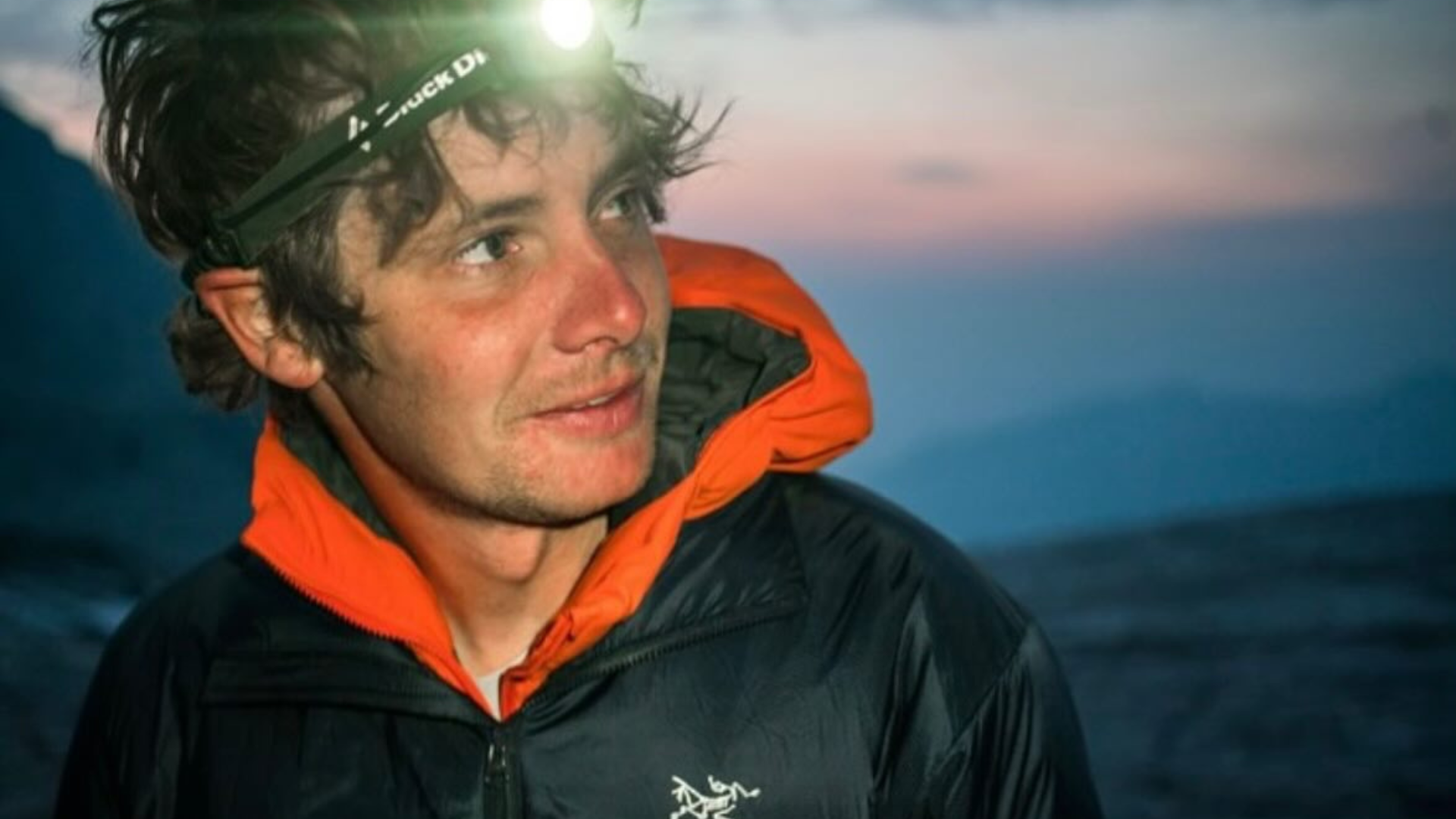
In a culture that raised us to idolize hard men, you were soft.
Sorry, buddy, but it’s true.
We were just talking about how as a kid you were devastated by the youth team’s age limits at the local gym in North Van. You weren’t even old enough to grasp what age had to do with it. You loved climbing just as much as the older kids.
Wasn’t that enough?
It felt like it should have been.
That love you carried is why people paid attention to you. It is why I am in this position, writing these words, because you were not just loved by those who were close to you, but also by those who only heard of you. You spoke of climbing as if it were a way of life, as if flowing movement over stone was enough to sustain an existence, you spoke of effort passed down through generations.
You weren’t conquering anything, not the world around you, nor the one you carried inside, but I do know that sometimes you felt the opposite could be true. Maybe that’s what comes from being soft in a hard world.
Will and I had lives that were woven together by the Great Mystery of the Coast Mountains, parallel, then inevitable. Unbeknownst to us and long before our encounter on the big stone, our families were harvesting Oysters on neighbouring islets. Specks on the map.
When we met in our twenties we uncovered this shared youth while trading stories, the lessons from tideline. That bond is almost impossible to break, tied not only to each other, but the same stretch of coast.
Loose rock, sea weed, and sharp shells. The vicious cuts from forgetting where we were, enflamed and swollen from whatever toxins are mixed into the wound. Somehow the wounds didn’t stop us from loving that place, but it changed how we moved through it, a bit more cautious, a bit more careful, carrying two truths; that what we love sustains us, and can also hurt us. It’s amazing we found a way to hold that. To keep coming back despite it all, because it’s far more common to close up, keep ourselves hidden, to protect ourselves from what hurts.
It got harder to bare as life unfolded, the conflicting truths we found ourselves carrying.
You and I felt this watching our mentors and friends die, one after another, as if everyone around us was climbing their way to oblivion. Stanley. Dean. Kyle. Ueli. Hayden. Chris. Marc-André. David. Jess. Hansjörg. Brad. Michael. We all knew this was dangerous, we had come to terms with our own mortality, but I don’t think we realized what it meant to keep living while others died. What it meant to carry on. Because no matter how many attempts were made to justify our choices through hero-narratives and glorification of the summits, it didn’t soothe the pain. If anything, it left us feeling guilty for the simple fact that we missed our friends.
The climbers before us seemed to just lace their boots up and get back to it. And we tried. Didn’t we. But it didn’t take. We never returned to the mountains in quite the same way—I don’t know where we picked up the expectation that we were supposed to. We couldn’t return to the mountains, we couldn’t return to each other. I don’t think our pain started with the deaths, but once they started it felt like it was too late to go back to the source. We could isolate and drown, or we could bottle it up only to have that pain inevitably resurfaced later, in ways we didn’t know how to respond to. And I wish we were more honest about just how deep our wounds were. We might have been able to ease some of the hurt and fear and confusion that followed. The helplessness once the lid came off.
There has been a lot to process in this grieving, comparing the places where the sharp edges cut, spinning yarns to try and piece the fragments of the story together, to understand what happened to you, to each of us. Not to bargain with the past, not to justify it, but to move forward in a way that might prevent this kind of suffering. I can only speak for myself and those closest to me, but none of us grasped how profoundly unprepared we were for this kind of crisis, just how quickly someone you love can slip out of reach and how few resources are available when that happens.
I am sad to admit that the mountains could lift us up, but they could not hold us there.
Sad that love alone could not, either.
Your memorial was perfect. Your family was surrounded by people who loved you, who received love from you and who wanted to share what that meant to them. People came from all over to remember the version of you that made each of us feel special, that encouraged us to inhabit ourselves fully, to get outside and connect with what’s important. We will need this moving forward.
We will need each other.
[TK]: On April 23, 2026, Will Stanhope died from a head injury sustained in a roped climbing accident on the Stawamus Chief, in Squamish, B.C.